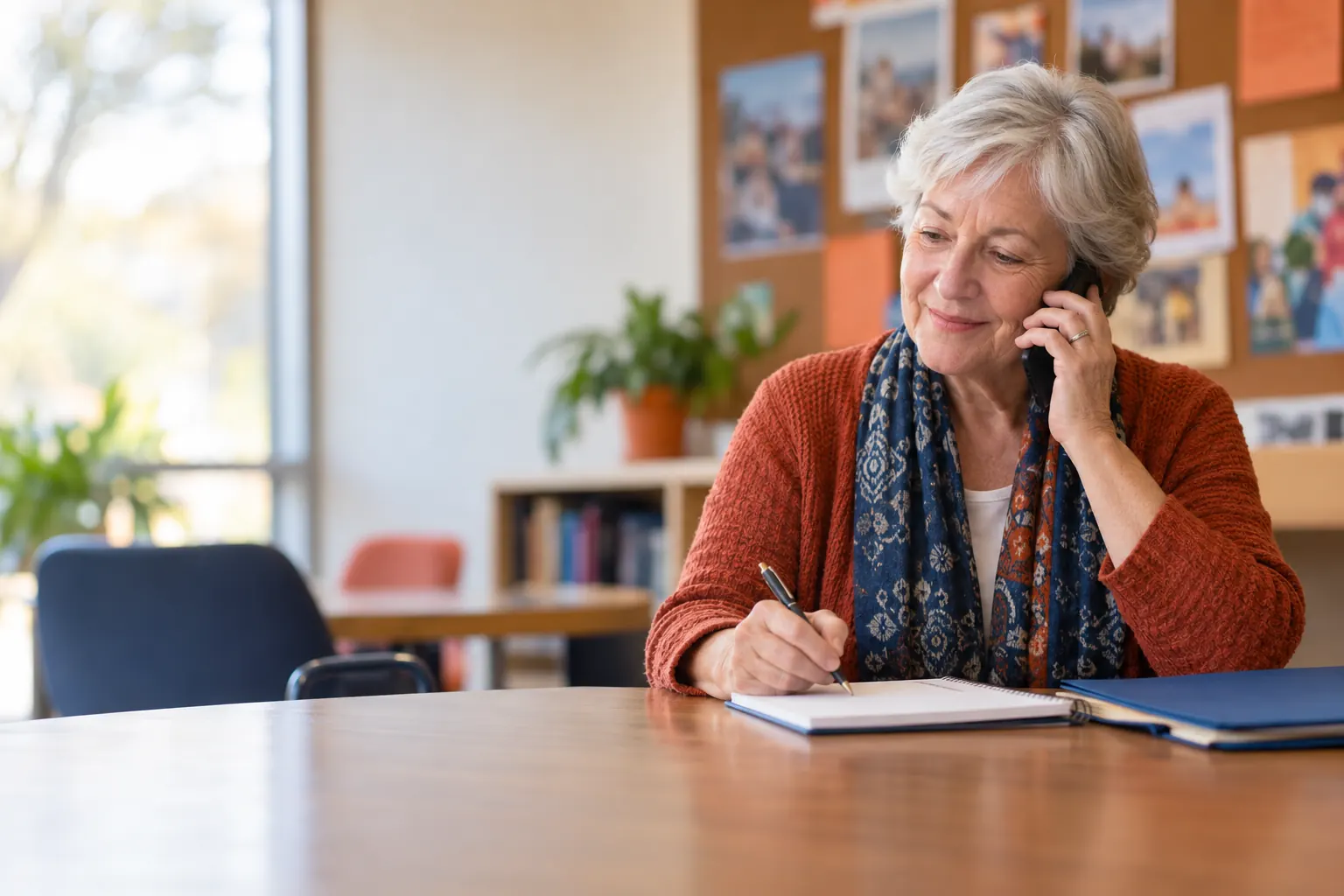
One bilingual person carries the load
Most congregations have one or two people who can call Spanish-speaking members. They end up making every hospital, grief and reminder call on top of their own ministry.
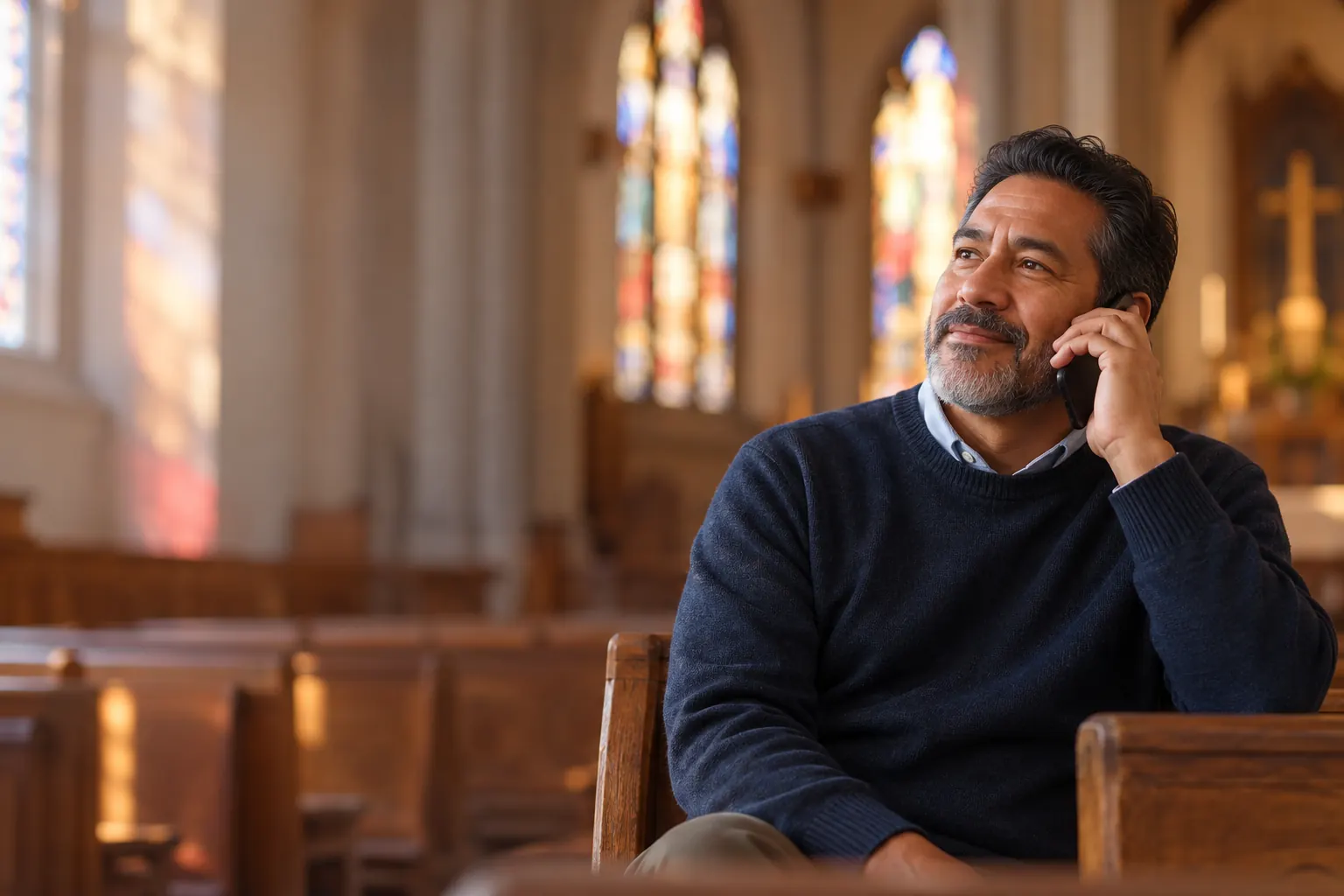
Your church may hold a Spanish service or host a Korean fellowship, yet the call to check on a family after surgery falls to whoever is free that afternoon. intelecho places a real phone call and translates both sides live, so an English-speaking pastor or volunteer can talk with a congregant in Spanish, Vietnamese, Haitian Creole and dozens more. Think of it as Spanish for church care calls, without waiting for the one bilingual deacon to get home from work.
U.S. Catholic adults who are Hispanic, up from 29% in 2007
Source: Pew Research Center, Religious Landscape Study 2023-24Hispanic Catholics who usually attend Mass in Spanish
Source: Pew Research Center, 2025U.S. Latino adults who are evangelical Protestants (2022)
Source: Pew Research Center, 2023Most congregations have one or two people who can call Spanish-speaking members. They end up making every hospital, grief and reminder call on top of their own ministry.
A family visits twice, fills out a connection card, then stops coming. With no shared language, the follow-up call never happens, and nobody learns they only needed a ride.
Staff on the English-speaking side rarely talk directly with families from the Spanish or Korean service. Plans for baptisms, VBS or a funeral get passed along secondhand.
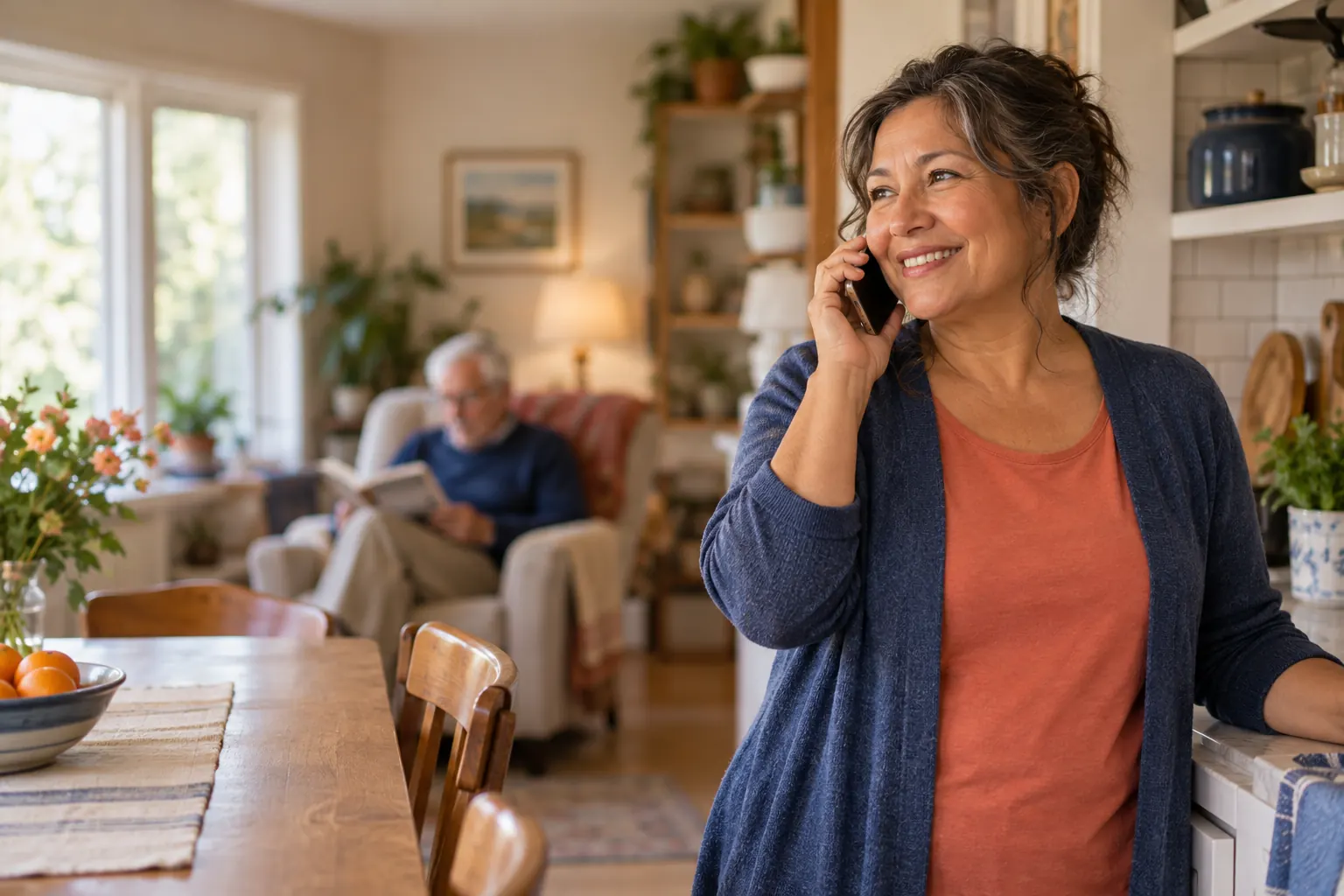
A pastor calls a Spanish-speaking member who just came home from surgery, asks how she is healing, and sets up meal deliveries from the care team.
A volunteer calls a Brazilian family who filled out a card on Sunday, thanks them for coming, and invites their kids to Wednesday youth night.
The church office calls a parent to confirm the baptism date, the prep class schedule and how many relatives plan to attend the reception.
A ministry coordinator calls a Haitian Creole-speaking mother to say the pantry moved to Thursdays and to ask whether she still needs help with the electric bill.
Each person speaks naturally in their own language. intelecho translates every turn so each side hears the other in a clear AI voice.
Spanish is by far the most common language spoken at home after English (61.1% of non-English speakers in the Census Bureau's 2018-2022 ACS), followed by Chinese and Tagalog. The rest reflect immigrant congregations many U.S. churches host or partner with, from Korean and Vietnamese parishes to Haitian, Brazilian and Slavic churches.
Look up the member's number and note their language. Enter your name so the greeting tells them the call is from you.
intelecho calls your phone first, then rings the member. They hear a short greeting in their own language explaining that this is a translated call.
Greet them by name, ask how they're doing, then pause and let the translation catch up before you go on. Five minutes is plenty for a check-in, an invitation or a reminder.
No. It connects two phones for a one-on-one translated call. For live interpretation of a sermon or service, you'll want a human church interpreter or an interpretation headset setup.
Not yet. Both phone numbers must be U.S. or Canadian, so it can't reach a phone in Mexico, Guatemala or anywhere else outside those two countries. It also isn't a language course, so it won't replace Spanish for missionaries training. It can help at home, for example when your team calls Spanish-speaking families in your own city before a local outreach.
intelecho is a free demo right now. Calls end after five minutes, and only three calls can run at once across the whole service. If your church needs longer calls, contact us.
Yes. When they answer, they hear a short introduction in their language explaining that the call is translated, with your name if you entered it. Then you each speak your own language and hear the other in yours.
intelecho doesn't record calls or save transcripts. Twilio connects the phone numbers, and OpenAI processes the audio to translate it. Even so, keep deeply personal pastoral matters for an in-person conversation.
Enter your number and theirs, pick both languages, and pick up when we ring you. It takes about a minute to set up.